By Patrick F. Cannon
Back in 1946, when I was just a wee lad, Frank Sinatra released a recording of a new song by Bob Hilliard and Dick Miles called (I think) “There’s an awful lot of coffee in Brazil.” As I recall, some of the lyrics went like this:
A politician’s daughter was accused of drinking water,
And was fined a great big 50-dollar bill,
Because there’s an awful lot of coffee in Brazil!
Of course, an awful lot of that coffee was and is shipped from Brazil to us, since our independence from Britain also became an independence from tea. Ever since our future Americans tossed 342 chests of tea into Boston Harbor in 1773, we have largely transferred our allegiance to coffee (except for those who watched too much Downton Abbey and are happy to spend big bucks to have afternoon high tea at fancy hotels).
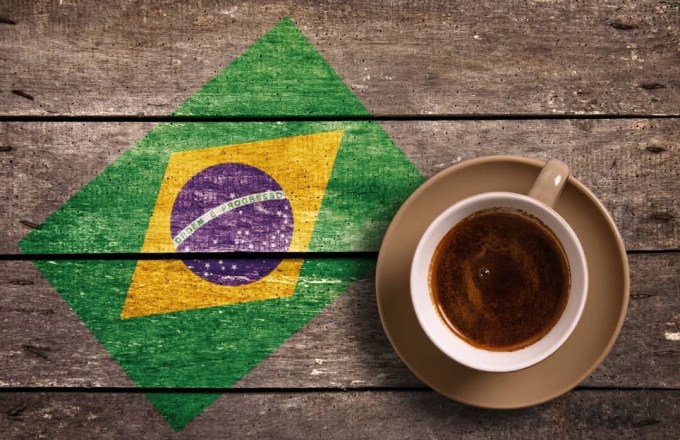
I start my own day with 16 ounces of strong coffee. I drink another eight ounces of regular coffee at lunch, then switch to decaf after dinner. Altogether I consume a quart of the stuff every day. When I was a wage slave, I drank even more. Now, coffee packagers rarely tell us where the coffee beans originated, but about one-third comes from Brazil, worth about $2 billion a year. We get a comparable amount from Columbia. The only part of the United States that produces any significant amount of coffee is Hawaii, whose Kona coffee is among the most expensive.
As it happens, I have long believed that the tariff system has treated us unfairly. A good example is Europe, where many countries – France being a good example – protect their farmers from competition by using phony reasons for keeping our products out. A good example is the ban on Genetically Modified Organisms, the dreaded GMOs. There is no credible evidence that these crops are in any way unsafe (many of our own consumers are guilty of this bias as well). Despite this, they are banned. The real reason? To protect their inefficient farmers from fair competition.
There are many other examples of unfair trading practices, including government subsidies that support certain industries. The Chinese auto industry is a good example here, and both Europe and the United States should take this into account when setting our tariffs on these products. But what if tariffs are used to punish a government for their internal legal decisions?
President Trump has decided he can’t abide Brazil’s prosecution of former President Jair Bolsonaro, who is accused of organizing a coup to overthrow the election of his successor, Luiz Inacio Lula da Silva, so he threatened a 50 percent tariff on imports from Brazil, including of course coffee. The reason is not unfair trading practices, but because he thinks the prosecution of his friend Jair is a “witch hunt.” Does this situation have a familiar ring to it?
Anyway, if it goes into effect, expect to pay more for your restorative cup of joe. Coffee is a commodity, for which the cost fluctuates based on many factors. As I reported, we get two-thirds of our coffee from other countries, so we probably won’t be paying 50-perent more. But we will be paying more, because the roasters and packagers will be paying the tariffs, and will be passing along these costs to us. Of course, we can be comforted by the fact that all the tariff income will go to the Treasury, just like our income tax payments.
Copyright 2025, Patrick F. Cannon
 cannonnadedotcom
I have memories of the trip to Rio, in 1997 I believe, but I can’t remember if you could drink the water back then. I don’t remember much about the coffee either, but I’m sure I drank it. I do remember that the city was dwindling, after Brazil moved its capital to Brasilia, and women on the beach wore very nominal bathing suits.
You’re right that most coffee drinkers don’t know the source of their beverage. I usually drink espresso in the morning and buy the beans from a talented local roaster who doesn’t specify their country of origin. If drink drip coffee, as I am at the moment, it could be one of Costco’s specialty coffees, such as Sumatra. The price of beans has definitely increased over the past year, but the cost is the result of the Biden cabal’s inflationary spending rather than tariffs.
And you’re right that most if not all countries slap duties and fees on our exports to protect their own producers. We didn’t care much about this when times were prosperous, but things aren’t so prosperous anymore. Our own tariffs on imports could result in price increases in the things we buy, but prices are highly variable, so it’s hard to say what the reason might be. But I’d rather support American workers than the ones in Germany or Korea. Besides, Trump’s tariffs are more negotiating tools than pure retaliatory measures.
And you’re right again (!) that tariffs are not always levied for economic reasons. It’s human nature to treat your friends better than your adversaries. Brazil is run by former president and far leftist Lula Da Silva who spent a few years in jail for money laundering and corruption, and far leftists everywhere, including our own, specialize in eliminating political opponents by leveling criminal charges against them to protect, you know, democracy. Bolsonaro is accused of insurrection for disputing his election loss. It should sound familiar! But I have total confidence in the Brazilian judicial system as I do in our own diligent judges.
Brazil, sadly, hasn’t been a good friend of the US lately. It’s allied with Russia, India, China and South Africa in an effort to counter America’s economy. Brazil is the B of BRICS. So if tariffs make Brazilian coffee more expensive, I’ll just have to get my java fix somewhere else. Who said life was fair?
LikeLike