By Patrick F. Cannon
Spring has sprung! I know, I know. According to the meteorologists, it sprang on March 1, that being the date, I suppose, when meteors start falling from the sky. The astrologers beg to differ, claiming it actually sprangs when we experience the vernal equinox, which can happen between March 19-21 (it was March 20 this year). In case you skipped Science in school, that’s the day when we have equal amounts of day and night.
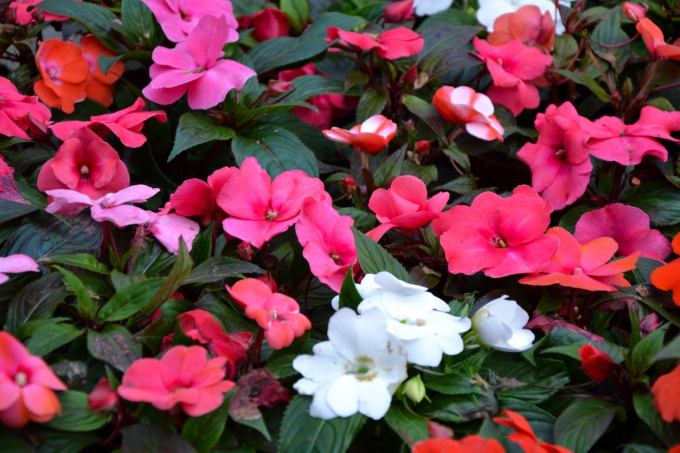
To me, however, it only begins when the first Crocuses begin to appear, followed by the Daffodils, Tulips and flowering trees. It culminates on or around Mother’s Day, when people who live in our climate feel it’s safe to begin planting their annual flowers. When we still had our Oak Park house, my late wife Jeanette and I would make our annual pilgrimage to Pesches Garden Center in Des Plaines to buy flats of Impatiens, Begonias and Petunias. Most years, we would also get a new perennial or two, as well as tomato and, pepper plants; and seeds for lettuce, carrots, basil, mint and parsley.
I was the preparer, and Jeanette the planter and nurturer. Before planting, the vegetable and annual plots had to be tilled, adding compost and fertilizer to get the stuff growing properly. We also had extensive perennial gardens, which required similar care. I also did some weeding and mulching, but my main task for the rest of the growing season was watering, one of the more satisfying of human endeavors. In later years, an outside service dealt with the lawn, keeping it healthy and cut.
(Let me come here to the defense of the beleaguered lawn. There is a radical element of the population that thinks yards should be left to themselves; that the dreaded Dandelion should be permitted to prosper; that maybe you should even plant the front yard with corn, wheat and alfalfa. The general idea is this would be better for the pollinators. They seem to forget about the annuals, perennials and flowering bushes that gardeners plant in and around their grass. I frankly never had a lack of bees, wasps, hornets – and even hummingbirds – in our yard. Of course, it is easier to take care of a prairie – you just ignore it, even if your neighbors can’t.)
When we sold the house and moved to a rental townhome, we still had a planting area in the front yard, and a deck, where we put some planters and pots. There was also a community garden in the back, and Jeanette did her share to make it pleasant. We finally found a condo we liked, and it has a balcony only. While it’s only about 5 feet wide, it’s fully 18 feet long. While obviously limited, Jeanette managed to fill oversize pots with flowers, cherry tomatoes, basil and other herbs. Again, I was the designated waterer.
As many of you know, Jeanette died last February. When Spring came, I looked out at the lonely balcony and decided that the season demanded my participation. So, I did the logical thing, or at least the logical thing for a man with no horticultural talent. I went to Pesches and bought four pre-planted flower pots. Each has a variety of flowers and green plants. To contain them, I bought four plant containers that I could hang on the balcony railing. I watered them faithfully and they lasted until late Summer, when I replaced them with mums.
Last week, I again went to Pesches and bought four of the same. I’m looking at them now. At last, it’s really Spring.
Copyright 2023, Patrick F. Cannon







 cannonnadedotcom